


NEW RELEASE:
Canada’s Adult Vaccine
Funding Gap
NACI recommends vaccines based on evidence, but public funding across Canada is not consistent.
Where you live continues to shape access to recommended adult vaccines.
About This Analysis:
Vaccines are one of the most effective and cost-saving tools in healthcare. But in Canada, access to publicly funded adult vaccines often depends on geography—not just clinical need.
The Adult Vaccine Alliance (AVA) reviews vaccine funding across provinces and territories each year to identify gaps between:
National clinical recommendations (NACI)
Public funding programs
This analysis shows where funding aligns—and where it falls short—helping inform advocacy for more equitable access.
The Benchmark:
NACI Recommendations
Note: NACI recommendations provide clinical guidance. Public funding eligibility may vary by province/territory and may also differ by vaccine product, risk group, or delivery setting.
What Is Recommended?
The National Advisory Committee on Immunization (NACI) provides evidence-based recommendations for vaccine use across the life course. These recommendations reflect clinical need—not funding decisions.
AVA’s analysis focuses on six adult vaccines with significant impact on prevention, equity, and health-system resilience.
Why these 6 vaccines?
Click each vaccine to view NACI recommendations
and why it matters.
-
NACI recommends annual influenza vaccination for all individuals aged 6 months and older, with particular emphasis on adults at higher risk of severe outcomes, including:
Adults aged 65+
Pregnant individuals
People living with chronic health conditions
Immunocompromised populations
Residents of long-term care and congregate settings
Health care workers and others who may transmit influenza to high-risk individuals
Why it matters: Influenza contributes to significant seasonal hospitalizations and health-system strain. Annual vaccination is a foundational prevention measure.
Learn more here.
-
NACI recommends COVID-19 vaccination for previously vaccinated and unvaccinated individuals who are at increased risk of SARS-CoV-2 exposure or severe COVID-19 disease, including:
Adults 65 years of age and older
Residents of long-term care and other congregate living settings
Individuals who are moderately to severely immunocompromised
Adults with underlying medical conditions that place them at high risk of severe COVID-19
Pregnant individuals
Indigenous peoples
Members of racialized and other equity-deserving communities
Adults 18 years of age and older who provide essential community services
Health care workers and personal support workers (and other health care staff who have direct contact with patients)
Why it matters: COVID-19 continues to contribute to severe outcomes and health-system burden, particularly for priority populations most likely to experience severe outcomes such as older and medically vulnerable adults.
Learn more here. -
NACI recommendation: NACI recommends pneumococcal vaccination for adults at increased risk of invasive pneumococcal disease (IPD), regardless of previous pneumococcal vaccination history, including:
All adults aged 65+
Adults under the age of 65 years old with IPD risk factors
Individuals who are immunocompromised or have asplenia
Residents of long-term care and other congregate settings
Learn more here.
-
NACI recommends shingles vaccination for:
Adults aged 50 years and older
Adults at increased risk of shingles and complications due to medical conditions or immunocompromising therapies
Why it matters: Shingles can cause debilitating pain and long-term complications like post-herpetic neuralgia.
Learn more here. -
NACI recommendation: NACI strongly recommends RSV prevention programs for adults at increased risk of severe outcomes, particularly:
All adults aged 75+, especially those with underlying conditions that increase the risk of severe respiratory illness
Adults aged 65+ susceptible to severe RSV disease, including those with metabolic diseases like diabetes mellitus; heart or lung disorders; chronic kidney or liver disease; class 3 obesity; moderate to severe immunodeficiency, and neurological or neurodevelopmental conditions.
Adults 18+ who are LTC residents, lung transplant recipients, have had a hematopoietic stem cell transplant (in the previous two years or who remain on immunosuppression), on home oxygen, or on dialysis.
Why it matters: RSV is a significant driver of hospitalization, outbreaks, and mortality among older adults, especially in long-term care. Prevention plays a role in reducing respiratory season strain and protecting vulnerable populations.
Learn more here.
-
NACI recommends HPV vaccination to prevent HPV-related cancers and disease.
Routine recommendation: HPV vaccination is recommended for people aged 9 to 26 years, particularly for those who have not previously been vaccinated (or have not completed the series).
Catch-up recommendation: Adults 27 years of age and older who are not adequately vaccinated may receive HPV vaccination, particularly where they remain at risk of HPV exposure.
Priority Groups: NACI guidance recognizes that HPV vaccination can be especially important for populations with higher HPV exposure risk and/or higher risk of complications, including:
individuals who are immunocompromised (including those living with HIV)
individuals with ongoing risk of HPV exposure
other populations identified as higher risk depending on clinical history and provider assessment
Why it matters: HPV vaccination is cancer prevention. Inconsistent public funding for adults—especially beyond age 26—creates inequitable access and missed prevention opportunities for people who did not receive vaccination through routine school-based programs or during the COVID-19 pandemic.
Learn more here.
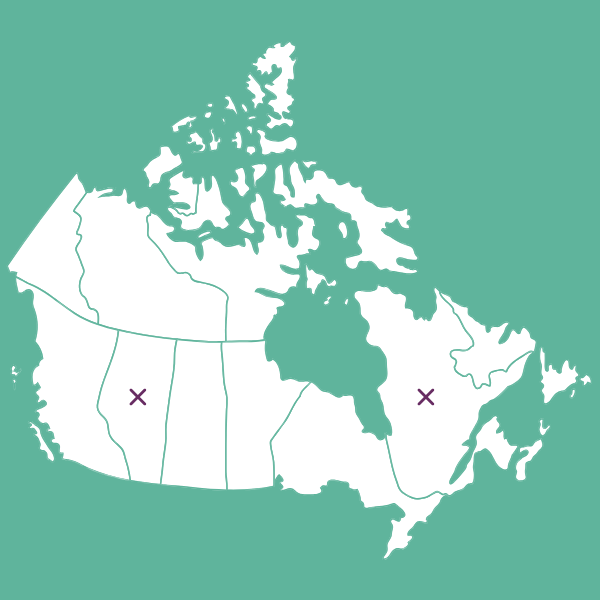
Example: Current funding gap for Covid-19 vaccine access
Why Funding Differs Across Canada
Provinces and territories are responsible for their own immunization programs, including:
Which vaccines are funded
Who is eligible
How vaccines are delivered
When programs are implemented
As a result, a vaccine may be strongly recommended by NACI, yet still be:
Not funded
Partially funded
Limited to specific populations
Inconsistently accessible across care settings
This creates real-world access barriers—particularly for individuals without primary care or those relying on pharmacy-based services.
WHY THIS MATTERS?

A postal-code lottery in prevention
Access to recommended vaccines should be based on health risk—not geography.

Out-of-pocket costs limit uptake
Costs disproportionately impact low-income adults, seniors, and those without insurance.

Inconsistent funding creates confusion
Variation across programs makes it harder for patients and providers to understand eligibility and access.

Avoidable strain on the health system
Lower uptake leads to preventable illness, hospitalizations, and increased system burden.
THE GAP IN ACTION
This snapshot shows how public funding aligns with NACI recommendations across provinces and territories.
Toggle vaccines to see the status of funding across Canada.
Explore the vaccines & their funding status
System Barriers
to Access Exists
788 days
Median time from approval to public funding in Canada
Zero Provinces
Fully aligned with national recommendations
Even after regulatory approval and national guidance, vaccines often face significant delays before being publicly funded. These delays limit access, increase out-of-pocket costs, and reduce the impact of prevention.
Structural barriers contribute to uneven adoption across Canada —reinforcing inequities in access.
Moving Toward More Consistent Access
Canada’s adult immunization system should not depend on one’s postal code.
Improving alignment between national recommendations and provincial implementation can:
Reduce inequities in access
Improve uptake
Prevent avoidable illness
Strengthen health system sustainability
AVA is working with partners across the country to support:
More consistent public funding
Timely adoption of NACI recommendations
Accessible delivery models, including pharmacy-based care
Stronger coordination and accountability across jurisdictions